Why this page matters
A good remote head keys request starts before anyone touches the vehicle. Denver drivers often search in a hurry, but the cleanest outcome comes from naming the vehicle, the key style, the place where the car sits, and the exact symptom. This page turns that moment into a practical checklist so the call is more useful and the quote conversation is more grounded.
The goal is not to make every driver a technician. The goal is to help separate a plain lockout from a lost-key replacement, a dead fob battery from a programming question, and an ignition symptom from a worn key blade. When those differences are clear, the next step is calmer and easier to explain.
What to say on the first call
Tell the dispatcher or technician whether the vehicle is locked, unlocked, drivable, blocking traffic, inside a parking structure, or parked in a restricted area. For Denver requests, that detail matters because downtown garages, airport lots, apartments, hospitals, and retail centers all create different access problems.
Share the year, make, model, trim if you know it, and whether any working key remains. A push-to-start vehicle, remote-head key, flip key, transponder key, and older metal key can point to different tools and parts. Do not guess if you are unsure; a photo of the current key or dash message is often more useful.
How key type changes the job
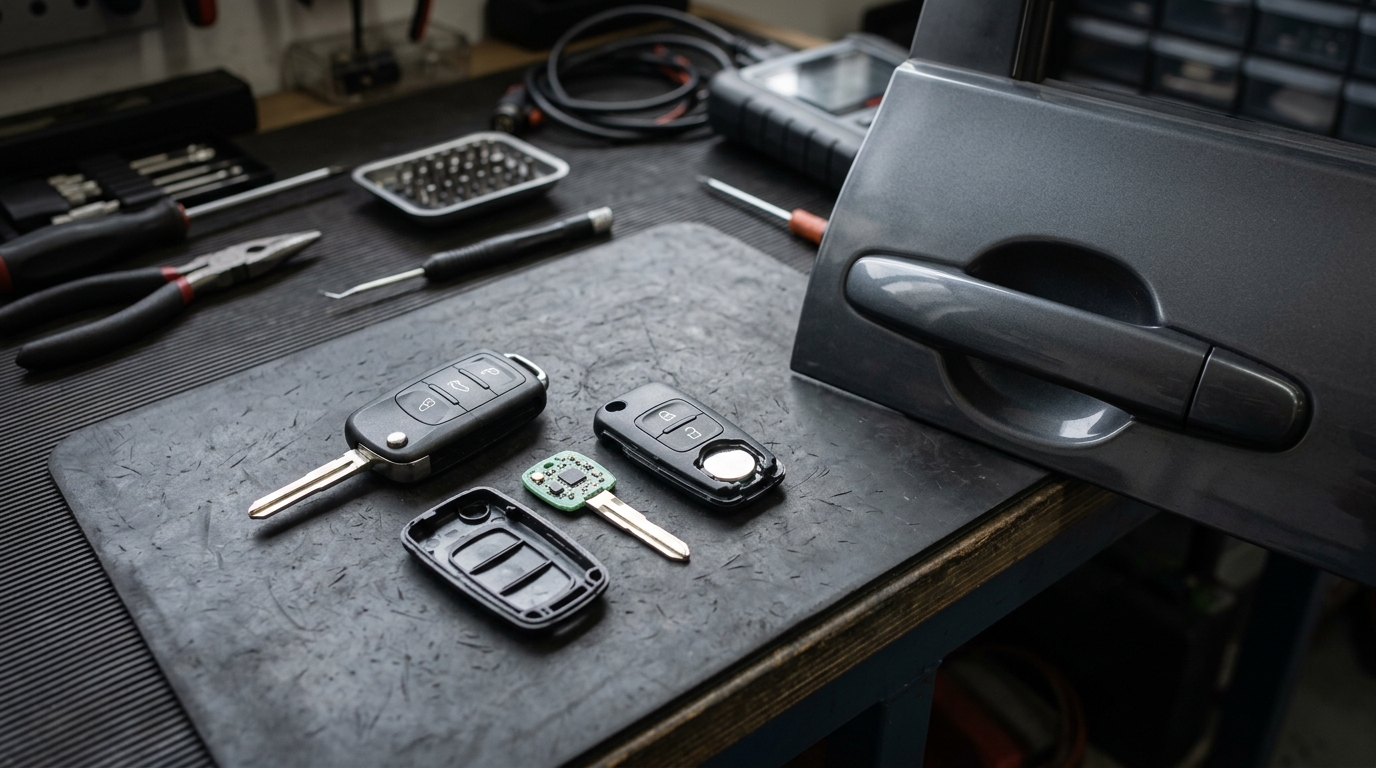
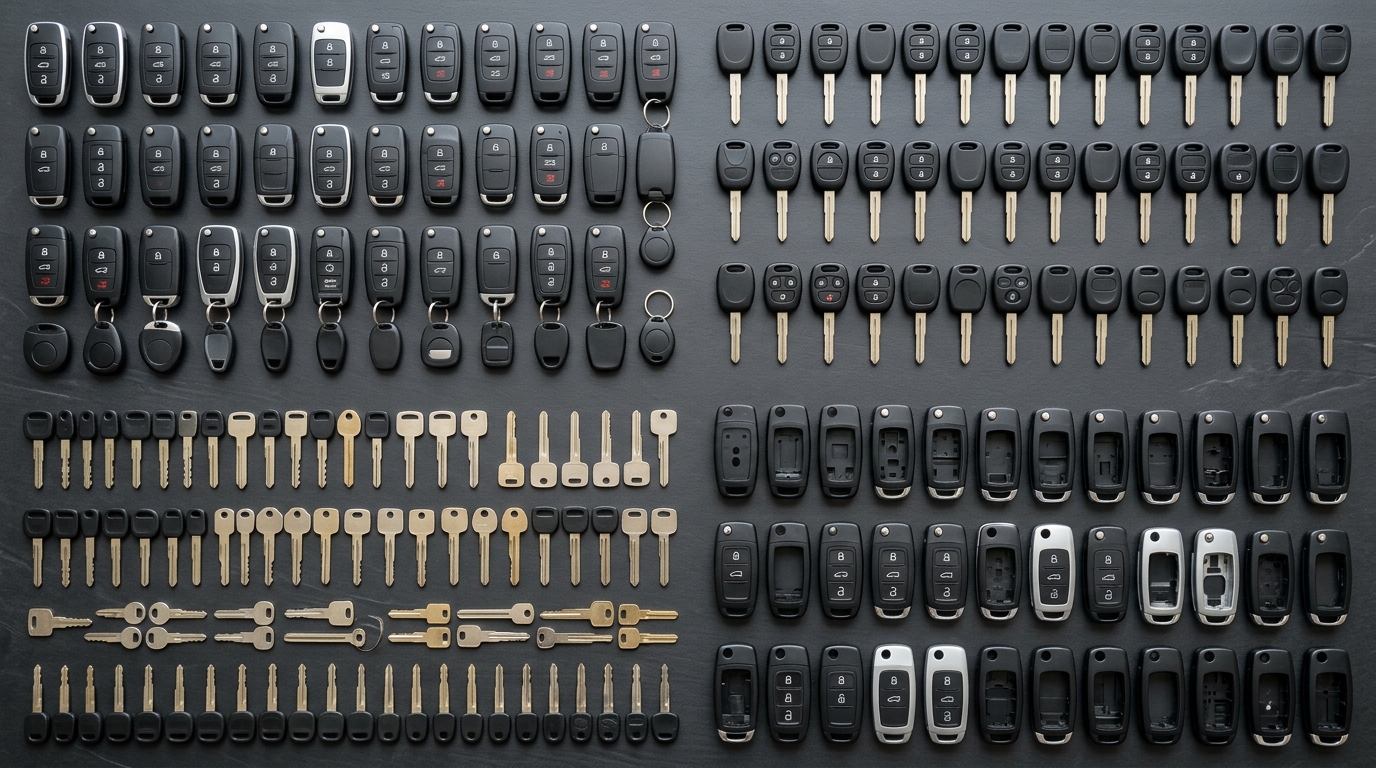
A traditional metal key is mostly about blade accuracy and lock condition. A transponder key adds chip communication. A remote-head key combines a blade, chip, and button remote. A smart key adds proximity behavior and emergency blade considerations. remote head keys can involve one or several of those layers.
That is why this site separates car key replacement, fob programming, laser-cut keys, transponder keys, smart keys, and dealer-alternative planning into their own pages. The search phrase may be short, but the actual job depends on the vehicle system, key count, ownership path, and symptom.
Ownership and documentation
Vehicle key work should be treated carefully. Be prepared to show a driver license, registration, title, rental contract, fleet authorization, or another document that connects you to the vehicle. If the vehicle belongs to a company, rideshare fleet, family member, or repair shop, ask what proof is accepted before scheduling.
This protects the vehicle owner and prevents wasted trips. A clear documentation path is especially important when every key is lost, when the car is in a shared lot, when a vehicle is being picked up by someone other than the registered owner, or when an airport or parking facility has access rules.
Cost factors without fake prices
remote head keys cost is shaped by key type, chip or fob complexity, whether a working key remains, location access, parts availability, and whether diagnostics are needed. A simple duplicate conversation is different from an all-keys-lost situation, and a smart-key system is different from an older metal blade.
This site intentionally avoids invented flat prices. A better quote starts with vehicle details and the real symptom. If someone quotes before asking what key you need, where the car is, and whether a working key exists, the final number may change later.
Denver location realities
Denver can affect preparation even when the key issue is identical. A car in a tight apartment garage may need a different meeting plan than a car in an open driveway. Airport parking, winter weather, event traffic, and paid garages can all change how you describe the vehicle and where help can safely meet you.
If the vehicle is in a garage, write down the garage name, level, row, elevator bank, and whether a clearance limit applies. If it is on the street, note the nearest cross street and restrictions. If it is on a highway shoulder, move to safety first and use roadside or emergency services when needed.
Common mistakes to avoid
Do not force a key that suddenly stops turning, especially in an ignition. Do not keep pressing a fob button if the vehicle gives inconsistent responses after a battery swap. Do not try to remove broken blade fragments with improvised tools. Those attempts can turn a key problem into a lock or ignition problem.
Also avoid assuming the dealer is the only path. Dealers can be the right choice for some vehicles, but many drivers first need to understand whether their problem is a blade, chip, remote, fob, battery, immobilizer, or documentation issue.
How the research center is organized
The site is built around high-intent Denver topics: car key replacement, key fob programming, transponder keys, smart keys, lockouts, spare keys, ignition key symptoms, cost factors, service areas, corridors, and vehicle-specific planning pages. Each page answers a real user question instead of repeating a thin paragraph.
Use service pages when you know the problem. Use city and corridor pages when location is the hard part. Use vehicle pages when make and key type matter. Use the research center when you are not sure what phrase to search yet and want to understand the problem before calling.
Useful request details
A strong remote head keys request includes vehicle year, make, model, body style if relevant, whether the ignition uses a push button or turn key, whether the doors are locked, whether any key remains, and whether the fob has been wet, damaged, or recently had its battery changed.
Photos can help when they do not expose sensitive documents. A photo of the key shell, dash warning, broken blade, or fob style is often enough. Do not send full registration, title, or private identification through a normal message unless you know the secure process being used.
When to slow down
Slow down when the vehicle is in a dangerous location, when a child or pet is inside, when the car is blocking traffic, or when the situation is connected to theft, a dispute, or a repossession. Safety and proper authority matter more than the normal quote process.
For ordinary Denver key and lockout questions, gather details, avoid damaging the lock or ignition, use the phone or quote form, and describe the problem in plain words. The more accurate the first description, the better the next conversation usually goes.
Decision notes for Denver drivers
A useful auto locksmith page should help you decide what kind of request you are making before the phone call starts. For this topic, compare whether the problem is access, replacement, programming, duplicate planning, ignition behavior, or ownership paperwork. That distinction keeps the conversation focused and helps prevent a vague request from turning into a slow back-and-forth.
When you compare providers, look for pages that explain process instead of only shouting urgency. Strong information should name the vehicle details needed, the proof-of-ownership expectation, the limits of online pricing, and the safest next action. That is the standard this page is built around for Denver drivers researching car key and fob help.
Local planning matrix
Denver auto locksmith work changes when the same key issue happens in a driveway, a paid garage, an airport lot, a shopping center, or a roadside shoulder. Before requesting help, write down access rules, parking gates, garage clearances, building entry instructions, and whether the vehicle can be safely reached. Those notes are not filler; they often decide how cleanly the job can be understood.
The strongest request also separates what is known from what is guessed. If you do not know whether the key is transponder, remote head, or proximity smart key, say what the vehicle does when you press the button, turn the ignition, or hold the fob near the start switch. Clear symptoms are better than confident wrong labels, and they help the next conversation stay practical.